
The Post Title 1
In today's fast-paced world, finding balance can feel like a daunting task. Many of us juggle work, family, and personal interests, often leaving little time for ourselves. However, achieving a sense of balance is not only possible, but it can also lead to a more fulfilling life. In this post, we will explore practical strategies to help you find that balance, improve your well-being, and enhance your overall happiness.
Understanding Balance
Balance is not just about managing time effectively. It involves aligning your priorities with your values and ensuring that you dedicate time to what truly matters. This can include work, relationships, health, and personal growth.
The Importance of Balance
When we achieve balance, we experience less stress and more joy. It allows us to be more present in our daily lives. Here are some key benefits of finding balance:
Reduced Stress: A balanced life can lead to lower stress levels, as you are not overwhelmed by competing demands.
Improved Health: When you prioritize your well-being, you are more likely to engage in healthy habits.
Enhanced Relationships: Balance allows you to invest time in relationships that matter, strengthening your connections with others.
Greater Productivity: When you are not stretched too thin, you can focus better and accomplish more.
Identifying Your Priorities
To find balance, start by identifying your priorities. What matters most to you? Take some time to reflect on the following areas:
Work: What are your career goals? How much time do you want to dedicate to your job?
Family: How important is family time to you? What activities do you enjoy together?
Health: Are you prioritizing your physical and mental health? What habits do you want to develop?
Personal Growth: What hobbies or interests do you want to pursue? How can you make time for them?
Creating a Priority List
Once you have reflected on these areas, create a priority list. Rank them based on their importance to you. This will serve as a guide for how you allocate your time and energy.
Setting Boundaries
Setting boundaries is crucial for maintaining balance. It helps you protect your time and energy from being drained by others. Here are some tips for setting effective boundaries:
Learn to Say No: It is okay to decline invitations or requests that do not align with your priorities.
Limit Distractions: Identify what distracts you and find ways to minimize those interruptions.
Create a Schedule: Use a planner to block out time for work, family, and personal activities. Stick to it as much as possible.
Communicating Your Boundaries
Once you have established your boundaries, communicate them clearly to others. Let your family, friends, and colleagues know what you need to maintain balance. This will help them understand your limits and support you in your journey.
Embracing Flexibility
While boundaries are important, it is also essential to embrace flexibility. Life is unpredictable, and sometimes, things do not go as planned. Here are some ways to stay flexible:
Be Open to Change: Understand that your priorities may shift over time. Be willing to adjust your schedule as needed.
Practice Mindfulness: Stay present in the moment and be aware of how you feel. This can help you make better decisions about how to spend your time.
Allow for Downtime: Sometimes, you need to take a break. Allow yourself time to relax and recharge.
Finding Time for Yourself
Self-care is a vital component of balance. It is essential to carve out time for yourself, even if it is just a few minutes each day. Here are some self-care ideas:
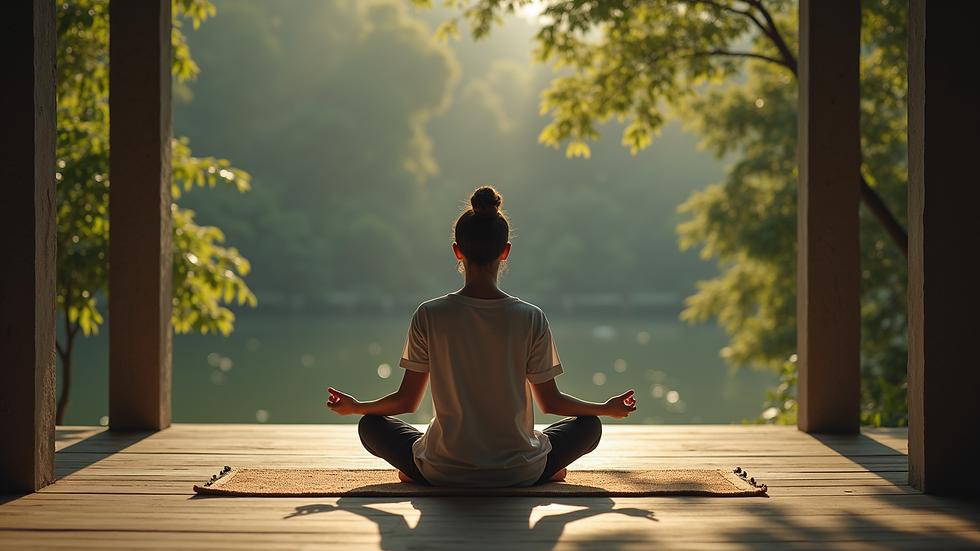
Meditation: Spend a few minutes each day meditating to clear your mind and reduce stress.
Exercise: Engage in physical activity that you enjoy, whether it is walking, yoga, or dancing.
Reading: Set aside time to read a book or listen to an audiobook that interests you.
Hobbies: Dedicate time to pursue hobbies that bring you joy, such as painting, gardening, or cooking.
Making Self-Care a Priority
To make self-care a priority, schedule it into your day just like any other important task. Treat it as non-negotiable time for yourself.
Building Supportive Relationships
Strong relationships are essential for a balanced life. Surround yourself with people who uplift and support you. Here are some tips for building supportive relationships:
Connect Regularly: Make time to connect with friends and family, whether through phone calls, video chats, or in-person visits.
Be Vulnerable: Share your struggles and challenges with trusted friends. This can help deepen your connections.
Offer Support: Be there for others when they need help. Building a supportive network is a two-way street.
Evaluating Your Progress
Finding balance is an ongoing journey. Regularly evaluate your progress to see how well you are maintaining balance in your life. Here are some questions to consider:
Am I feeling overwhelmed? If so, what can I adjust to alleviate that feeling?
Am I dedicating enough time to my priorities? If not, how can I make changes to my schedule?
Am I taking care of myself? Am I engaging in self-care regularly?
Adjusting as Needed
If you find that you are not achieving the balance you desire, do not hesitate to make adjustments. Life changes, and so should your approach to balance.
Celebrating Your Achievements
As you work towards finding balance, take time to celebrate your achievements, no matter how small. Acknowledging your progress can motivate you to continue on your journey. Here are some ways to celebrate:
Reflect on Your Journey: Take a moment to reflect on how far you have come and what you have accomplished.
Treat Yourself: Reward yourself with something special, whether it is a favorite meal, a new book, or a day off.
Share Your Success: Share your achievements with friends and family. Their support can enhance your sense of accomplishment.
The Path to a Balanced Life
Finding balance is not a one-time task; it is a continuous process. By identifying your priorities, setting boundaries, embracing flexibility, and making time for self-care, you can create a more balanced and fulfilling life.
Final Thoughts
As you embark on this journey, remember that balance looks different for everyone. It is about finding what works best for you and your unique circumstances. Stay committed to your priorities, be kind to yourself, and enjoy the process of creating a life that feels balanced and joyful.


Kommentare